Welcome to the Corpus.*
A collaborative, open online space maintained by the graduate students of the Physical Cultural Studies research group at the University of Maryland, College Park. Dedicated to critical discussions of physical culture in all its sociocultural, historical, and everyday material forms. Public ideas/writings are welcomed and encouraged. Posts express the sole opinion of the author(s). They are not the expressed opinion of the Physical Cultural Studies program as a whole.
*This page is under construction as we dig through the archives to retrieve old posts.
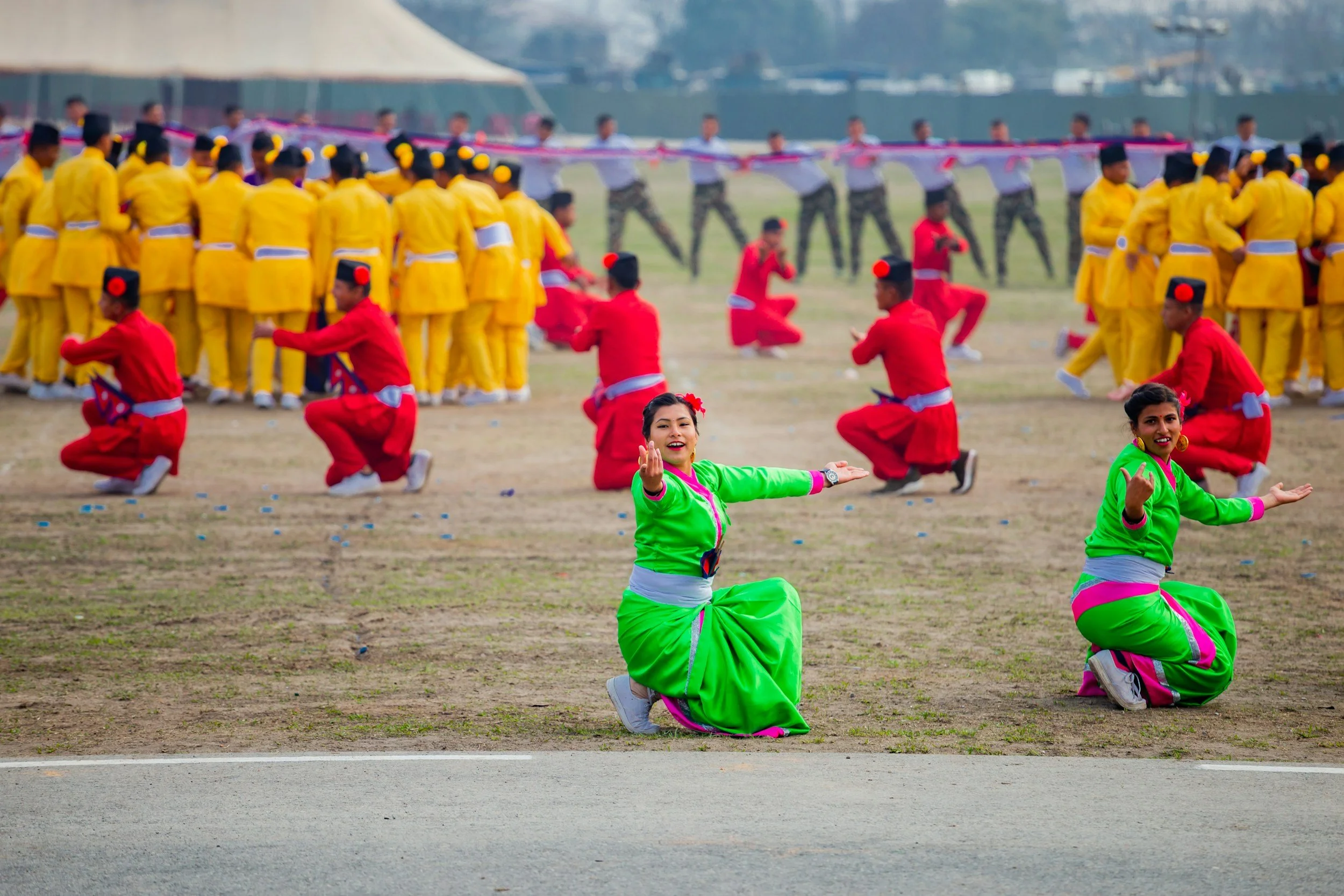
More Than an Opening Ceremony: Wushu, Youth, and Soft Power in Tianjin
Coming back from the World Junior Wushu Championships in Tianjin, one thing has stayed with me as vividly as Team USA’s historic medal performance: the opening ceremony. It made visible something that often remains implied in international sport; wushu, Chinese martial arts, often referred to in the West as kung fu, and including style such as tai chi, was being presented not simply as a competitive discipline, but as a cultural statement.
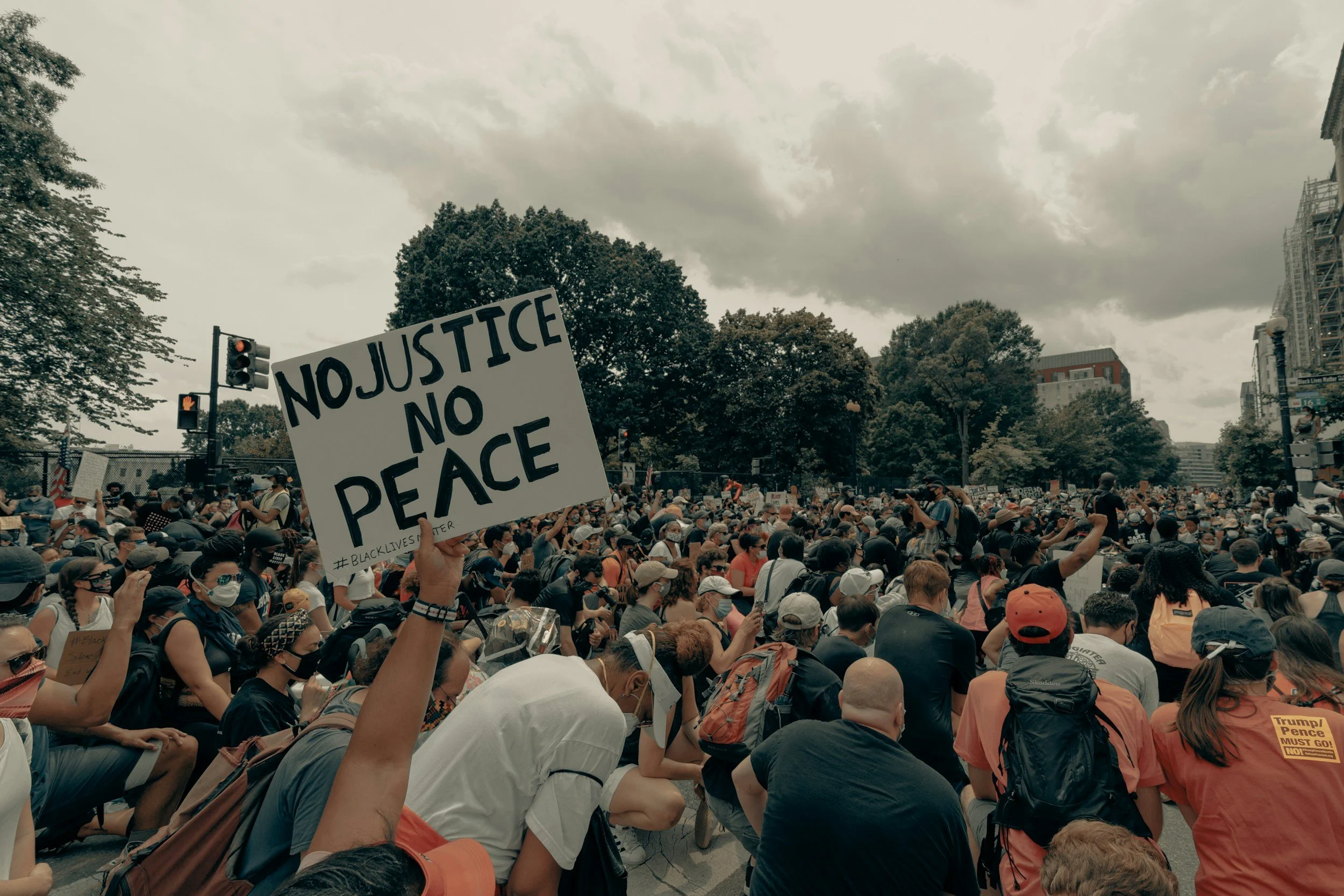
Expanding Physical Activity Frameworks: Introducing a Justice Domain
Public health has long categorized physical activity across four domains: occupational, transportation, household, and leisure (Piercy et al., 2018). These categories shape everything from surveillance to intervention design. They are foundational—but they are not neutral.
They are built on a simple premise: physical activity is defined by where movement happens.

The Paradox of Subdiscplinization in Kinesiology
Kinesiology departments today often encompass multiple interconnected subdisciplines that emerged from a need for interdisciplinary scholarship. Yet over time, these areas have come to function as rigid silos, accessible primarily to those who possess the specialized knowledge and skills required to navigate them. This disciplinary fragmentation did not emerge in a vacuum but was shaped by broader political and educational shifts that redefined knowledge, expertise, and legitimacy within the scientific field.
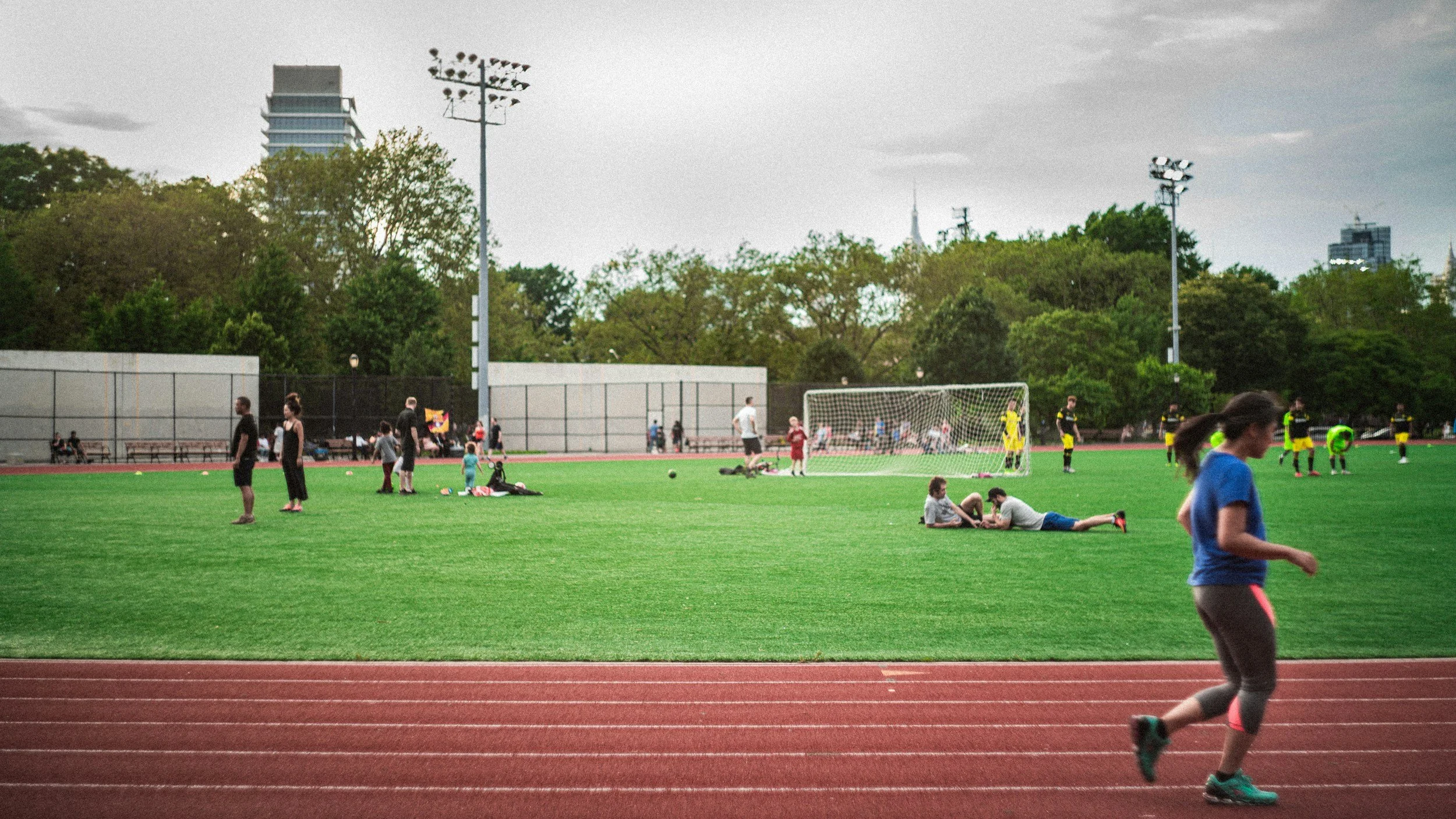
What’s the Frequency, PE?: Fitness Testing as an Out-of-Tune Practice
The practice of fitness testing in U.S. physical education began to take its modern form in the 1950s and 1960s after concerns regarding the strength of the nation’s population, and particularly its youth, started to rise (Esmonde & Jette, 2021). In 1956, President Dwight D. Eisenhower established the President’s Council on Youth Fitness, which included the development of the Presidential Fitness Testing program—a collection of performance-based measures that compared the physical fitness of students across the nation. This was a response to the results of a fifteen-year-long study by Dr. Hans Kraus and Dr. Sonja Weber on youth physical fitness which indicated that American children had fallen far behind their European counterparts (Esmonde & Jette, 2021), leading to Cold War anxieties over military readiness (Kennedy, 1960).
Physical Cultural Studies: Critics Without Claws?
Over time, Physical Cultural Studies (PCS) has received various critiques pertaining to different areas and elements of PCS scholarship. While one may think that these critiques play a counterproductive role, they are rather a core element that allows PCS as an intellectual project to maintain a dialogic community and keep its members credible, critical, and truthful in their work.
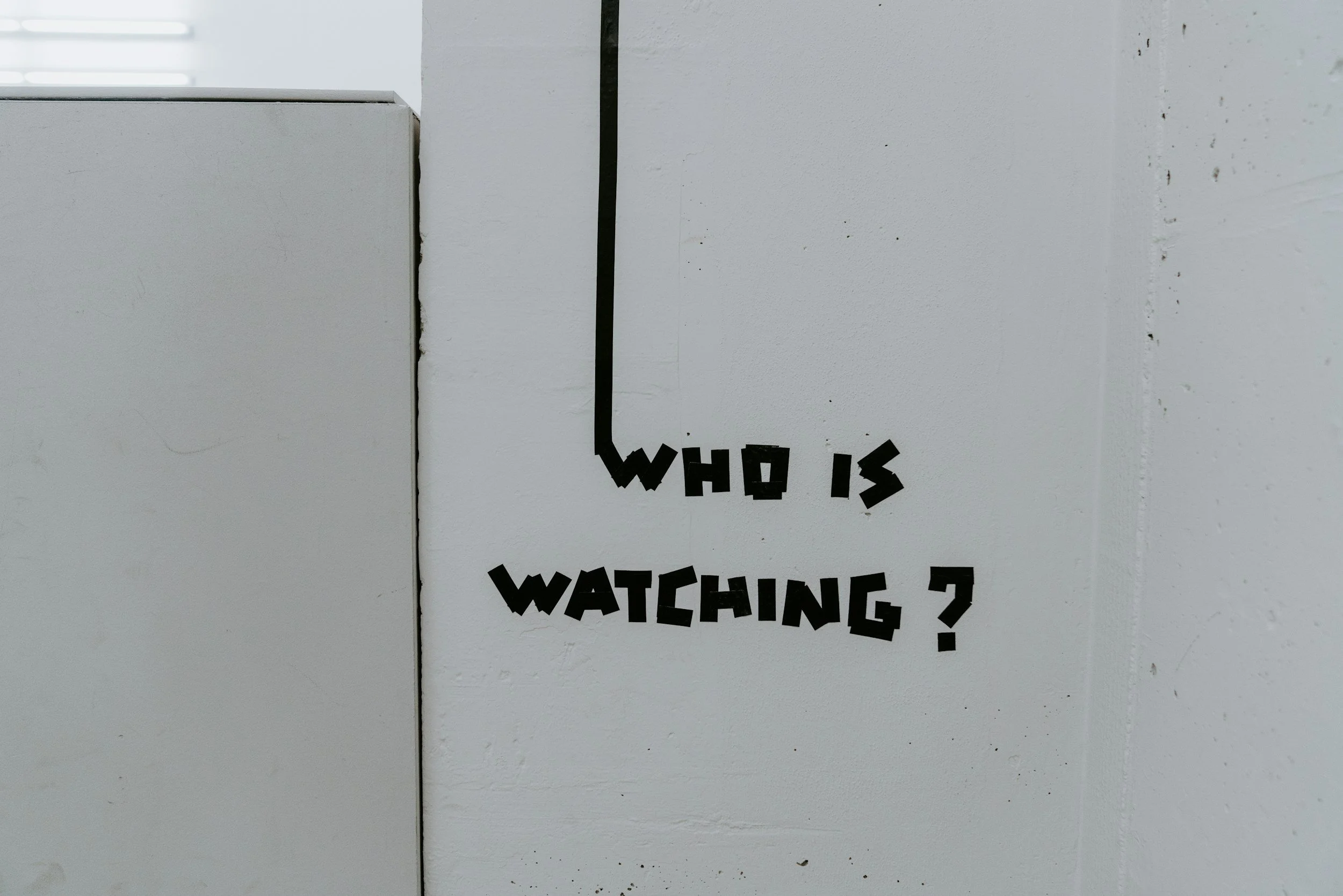
Interrogating Panopticon: From Bentham to Foucault, From Foucault to Latour, and Deleuze
Michel Foucault’s intellectual influences across various academic fields are difficult to precisely determine, but studying surveillance closely connects with one of his more popular ideas—the panopticon (Elmer, 2012). Already well-known, Foucault drew inspiration for this concept from Jeremy Bentham, which means he restructured Bentham’s essential ideas.

We Have Never Been So Critical: When PCS Meets CDS
Although it is difficult to propose a one-dimensional definition of Critical Disability Studies (CDS), Meekosha and Shuttleworth’s 2009 article entitled “What’s so ‘critical’ about critical disability studies?” provided several useful guidance for understanding CDS. First, CDS rejects implicit or explicit binary understanding, including social–medical and impairment–disability. Rather, it embraces multi-dimensional and intricate understanding of oppression within disabilities without fixating on deterministic interpretations, especially those inherent in the Marxism-based social model. Additionally, arguing that aspiring emancipation and social progress is “the core of disability studies’ raison d’etre” (Meekosha & Shuttleworth, 2009, p. 55), CDS needs to be self-reflexive as well as “flexible and amenable” (Meekosha & Shuttleworth, 2009, p. 64). Consequently, CDS should be uniquely interdisciplinary while remaining theoretically and empirically eclectic.

The sporting landscape is ever-evolving. Let it be one I can live in.
As this new era of sport unfolds, I find myself turning my attention and fandom toward my fitness and ability to perform the activities of daily living, which I perceive to be on the wane. The wonderful thing about sports is that, like it or not, there will be outcomes and a realignment of the evolving sports landscape. Let it be one I can live in.

Examining the Causal Effect of Social Exposures on Health: Challenges and Strategies for Causal Inference
In order to reduce health disparities, public health treatments and policies must take into account the causal relationship between social exposures and health outcomes. It has been demonstrated that social determinants of health, including socioeconomic position, education, and access to healthcare, have a major influence on health outcomes. However, because of confounding variables and intricate causation pathways, assessing the causal influence of these social exposures is difficult.

Occupations in Transit Gentrification
Gentrification is a long contested term amongst many scholars, municipalities, political circles and social movements. As such, there is a great need to better understand what gentrification is if we are to address global sustainability challenges represented in the World Health Organization’s Sustainable Development Goals. How do we continue to improve the spaces where we live and at the same time ensure those who need these improvements the most have unrestricted access? How can the notion of gentrification be used as a planning tool rather than a political tool in everyday decision making?